



November 20, 2026 | By Mike Agerbo
Could Canada’s wireless industry be headed for a massive shakeup? How much data are our favourite apps collecting? From cloud outages to the year’s biggest gaming launch, here are five consumer technology stories I’m following this week—and why they matter to Canadians.
Could Quebecor Buy Telus?

Canada’s telecom market could be headed for a major shakeup. Quebecor, owner of Videotron and Freedom Mobile, has made an unsolicited, non-binding proposal to acquire Telus. The company says combining its eastern Canadian strengths with Telus’s western network would create a stronger national competitor.
The proposal would give Telus shareholders cash and Quebecor shares. Quebecor says the combination could strengthen investment and competition, but Telus’s board has identified substantial regulatory, financing and execution risks. There is no definitive agreement and no guarantee of a transaction.
For Canadians, the question is whether the proposal would lead to better wireless prices, broader coverage and more choice—or reduce the number of genuinely independent competitors. Freedom Mobile has been an important challenger since Quebecor acquired it in 2023. Any combination would face scrutiny from competition and telecommunications regulators.
My take: a bigger company is not automatically better for customers. Any deal should be judged by measurable consumer benefits, not just corporate scale.
How Much Does Your Tim Hortons App Know About You?

A CBC Marketplace investigation has raised questions about how much data everyday smartphone apps collect. Researchers examined Tim Hortons, PC Optimum, the Weather Network, Facebook, Amazon and YouTube, looking at what information their apps gathered and shared.
The investigation reported that the Tim Hortons app gathered extensive device details, including nearby Wi-Fi network names. Tim Hortons says this data is used for fraud prevention, account protection and payment security—not advertising. Different apps showed different data-collection patterns, so it would be misleading to suggest they all behaved identically.
Loyalty programs can save Canadians money, but few users read every privacy policy before claiming rewards. Review app permissions, limit unnecessary location access and check privacy settings. Some technical device data can still be collected without a traditional permission prompt.
My take: Canadians should be able to understand what they exchange for convenience. A free coffee reward should not require blind trust.
Why Are Our Favourite Tech Services Going Down?
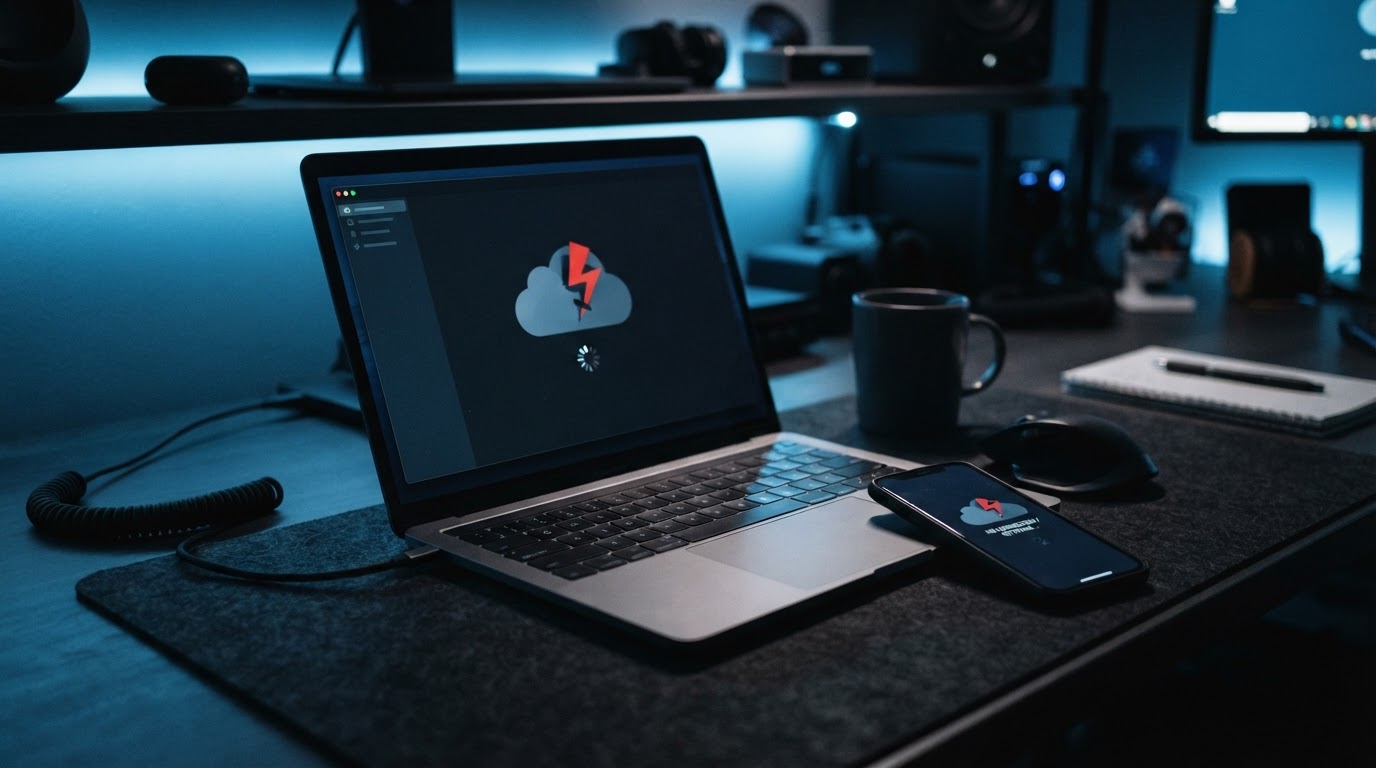
Recent service disruptions have demonstrated just how dependent our routines are on the cloud. Apple reported issues affecting services including iCloud and Apple Pay, while Microsoft explained how an older software bug contributed to a separate major outage.
These were separate incidents, not evidence of a coordinated cyberattack. But both underline how quickly a technical problem can affect customers who rely on online accounts, payments, productivity tools and connected devices.
For Canadian households, a practical backup plan means saving essential documents offline, keeping multiple copies of irreplaceable photos and carrying a physical payment card. Small businesses should also consider how they would operate if a cloud service became unavailable for several hours.
My take: cloud services are useful, but resilience comes from having more than one way to get important things done.
Grand Theft Auto VI Is Finally Here

Rockstar’s long-awaited Grand Theft Auto VI has arrived, bringing players into the fictional state of Leonida and a new interpretation of Vice City. The launch follows more than a decade of anticipation since Grand Theft Auto V.
Early critical coverage has highlighted the scale of the open world, production ambition and storytelling. The game is a cultural event beyond gaming, with potential to drive interest in consoles, controllers and accessories during the holiday shopping season.
Canadian shoppers should confirm platform availability before buying, especially if purchasing a console specifically for the game. The franchise is intended for mature audiences, so parents should review the content rating rather than assuming every blockbuster game is suitable for children.
My take: even people who do not play GTA should recognize how much interactive entertainment now shapes consumer technology.
Google Is Making Your Smart Home Smarter

Google has outlined updates to Google Home, including faster Gemini-powered responses and upcoming Nest Thermostat improvements. The ambition is to make connected devices easier to control with natural requests rather than rigid commands.
Smarter assistants could help coordinate routines, lighting and heating, but announcements and rollouts are not the same as immediate availability. Device compatibility, subscriptions and regional restrictions will determine what Canadians can use.
With winter approaching, thermostat features are particularly relevant. A well-configured smart thermostat can help manage heating schedules, although savings depend on energy prices, insulation, equipment and household habits. Convenience and reliability matter as much as flashy AI demonstrations.
My take: the best smart home is one that quietly makes life easier. Google still has to prove these changes work consistently in real homes.
What Tech Story Should I Cover Next?
Which of these developments matters most to you? Follow GetConnected for practical Canadian technology news, reviews and advice.